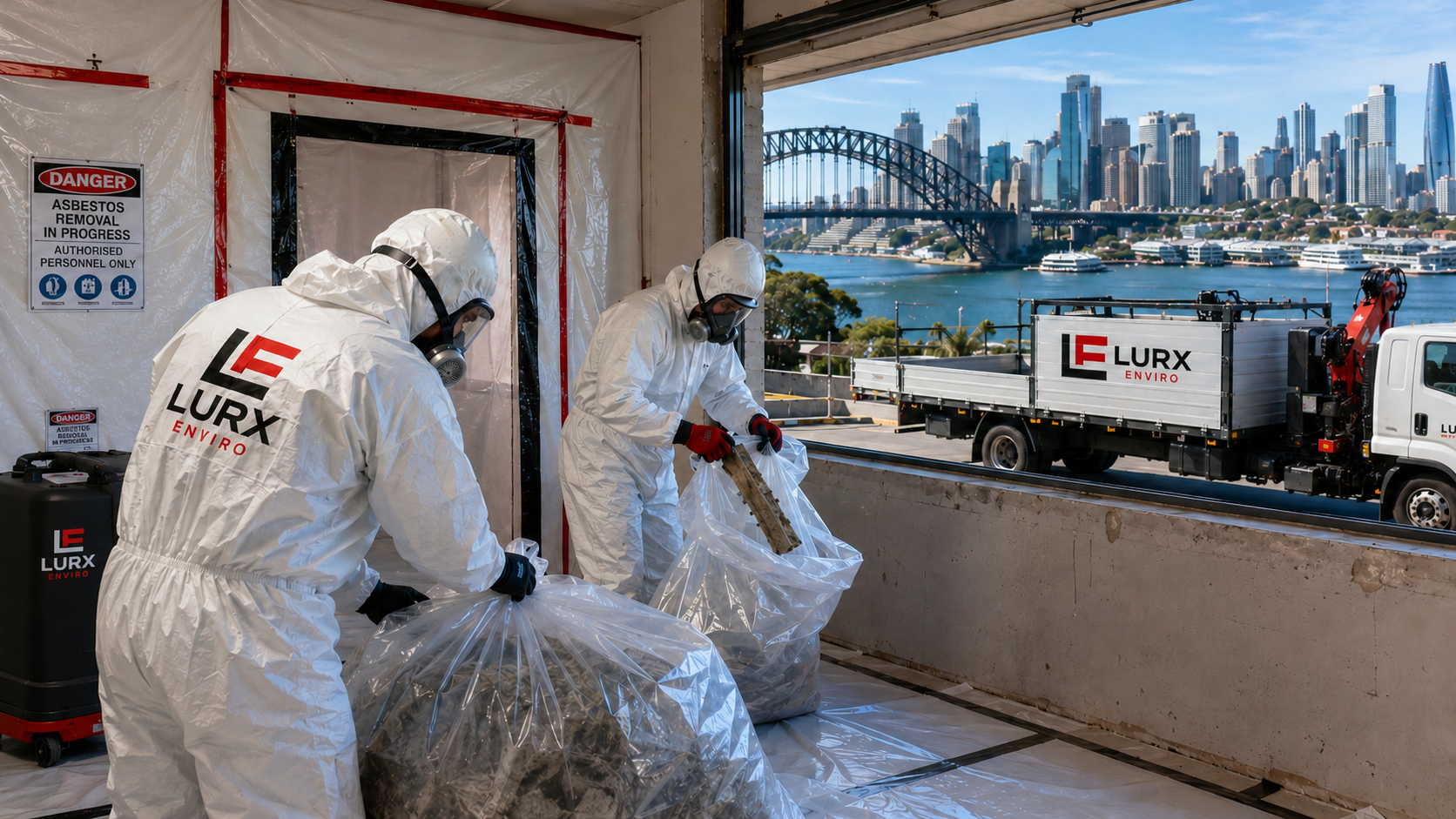
Residential removal
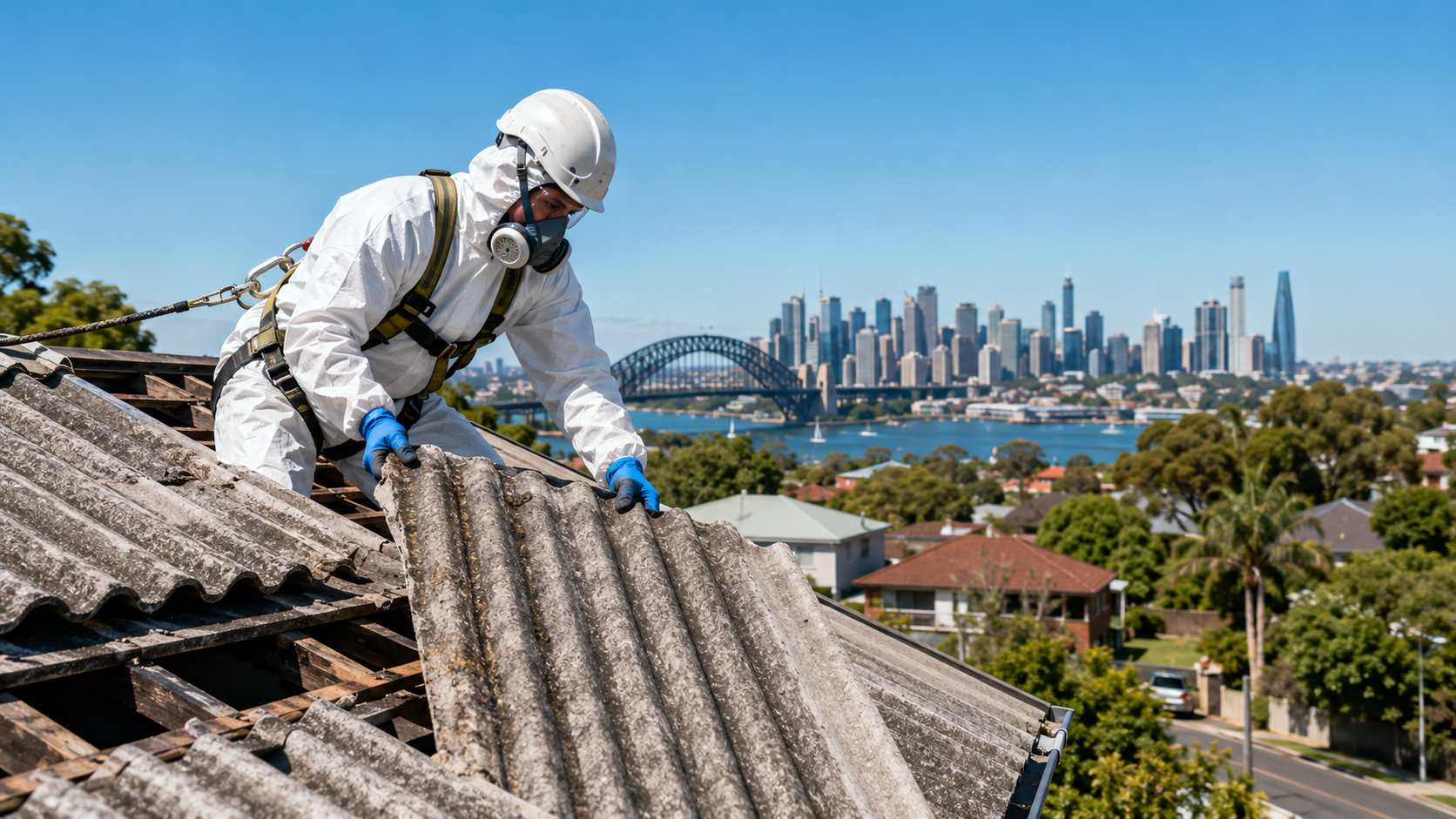
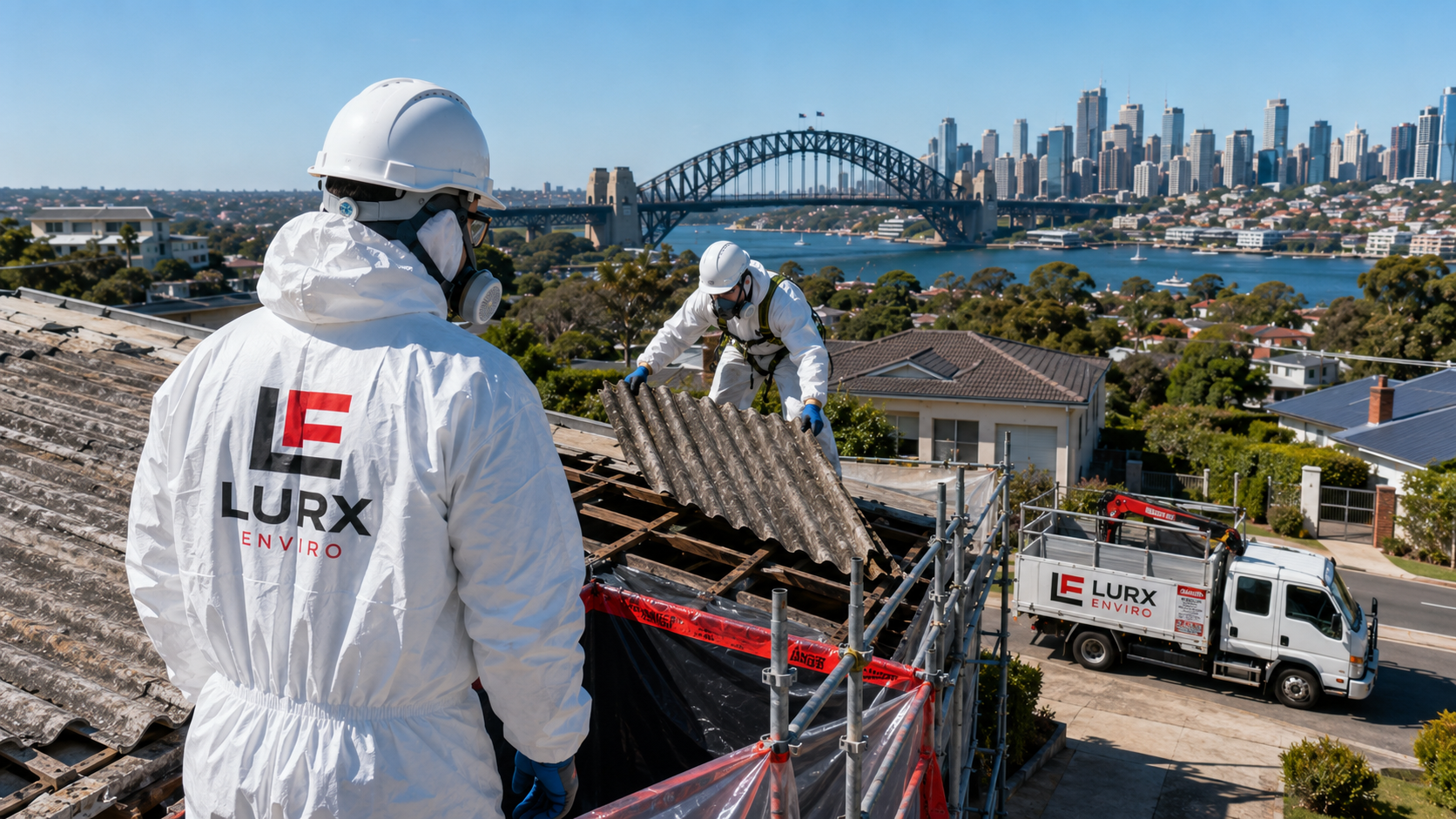
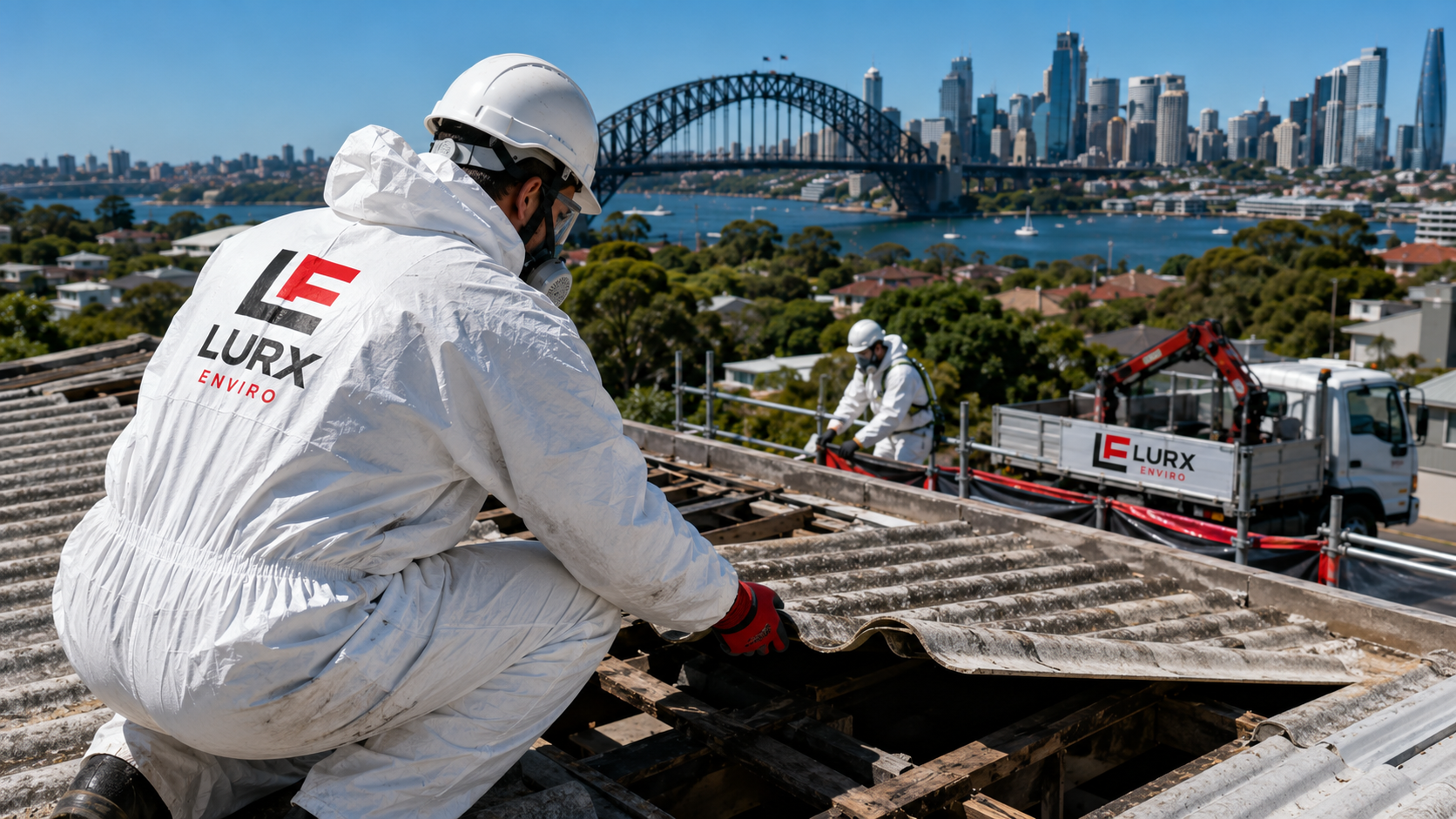
Careful removal planning for homes, garages, sheds, fences, eaves, bathrooms and renovation areas.
Licensed asbestos removal across Greater Sydney for homes, commercial sites, roofing and strip-out projects, with careful planning and compliant waste handling.
LURX Enviro services asbestos removal and strip-out projects across the wider Sydney metropolitan area, subject to site scope, access, scheduling and licence requirements.
Indicative service coverage. Contact LURX Enviro to confirm availability for your property.
Loading the detailed Sydney service-area map…
Each project starts with the site, material type, access and regulatory requirements—not a one-size-fits-all promise.
Careful removal planning for homes, garages, sheds, fences, eaves, bathrooms and renovation areas.
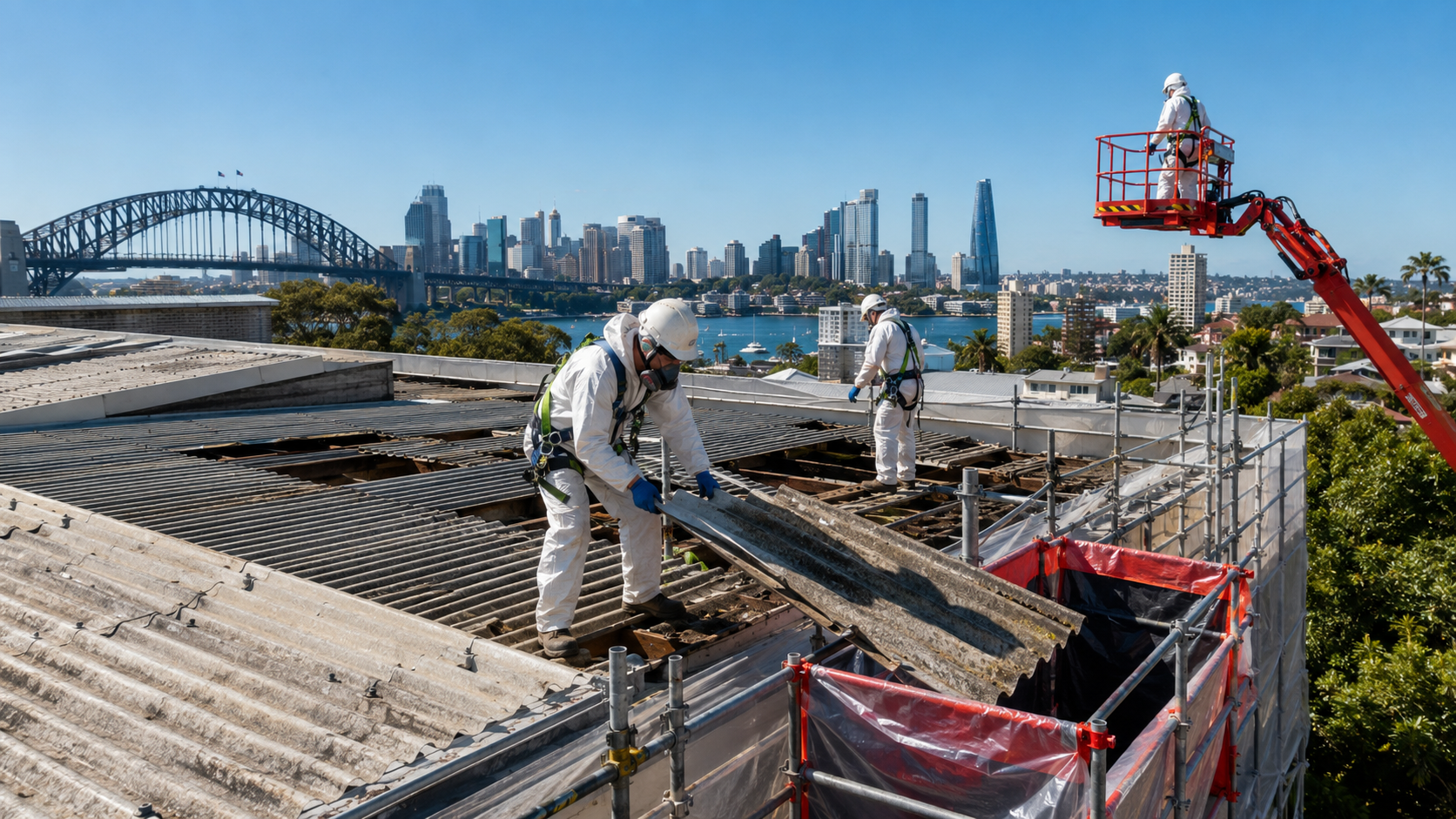
Site-aware asbestos removal and strip-out support for workplaces, tenancy changes and programmed works.
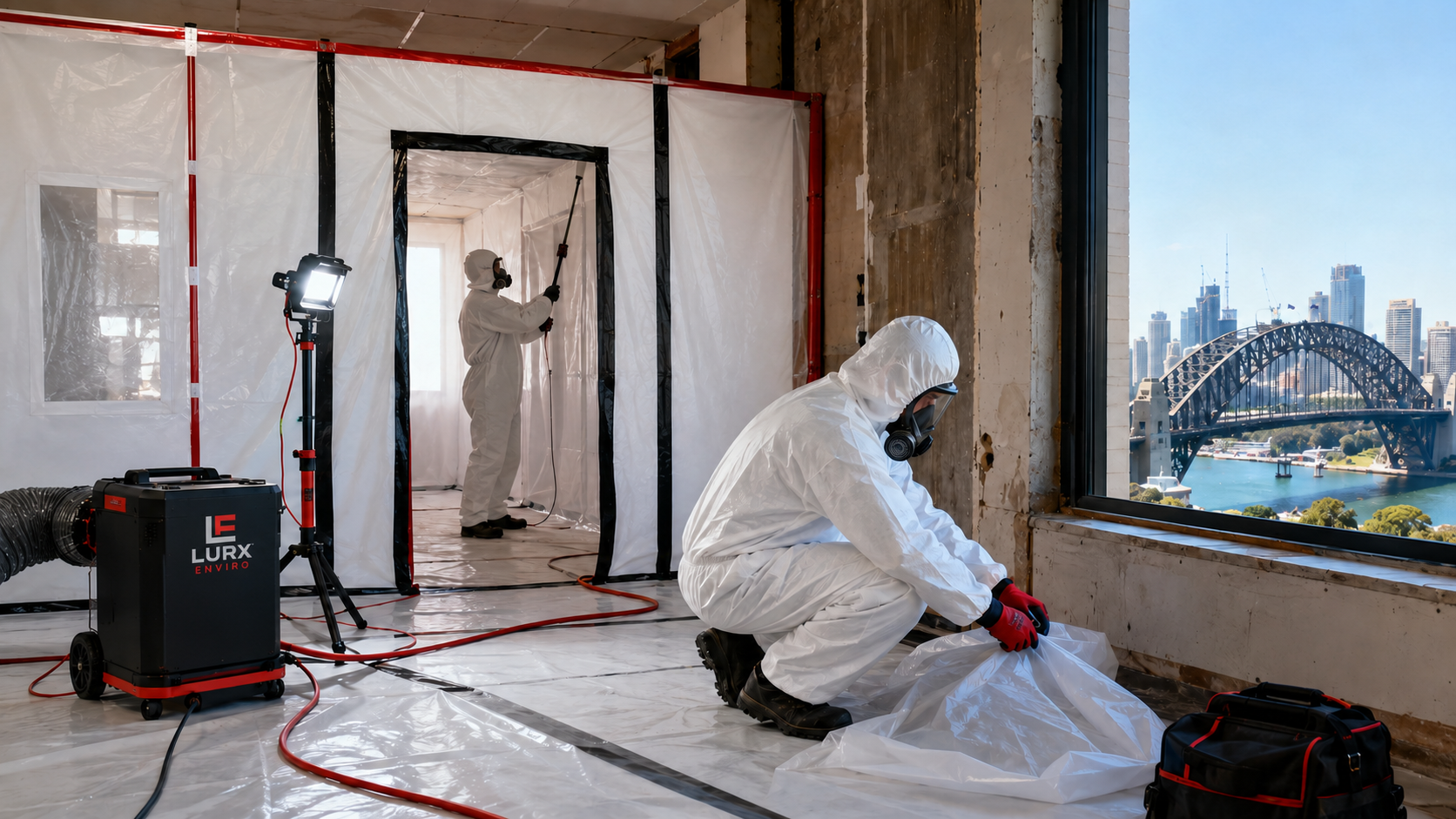
Controlled removal of affected materials as part of internal strip-outs and pre-renovation preparation.
Coordination with competent assessors and laboratories for sampling and identification where required.
Independent licensed assessor services can be arranged where the work class or site conditions require them.
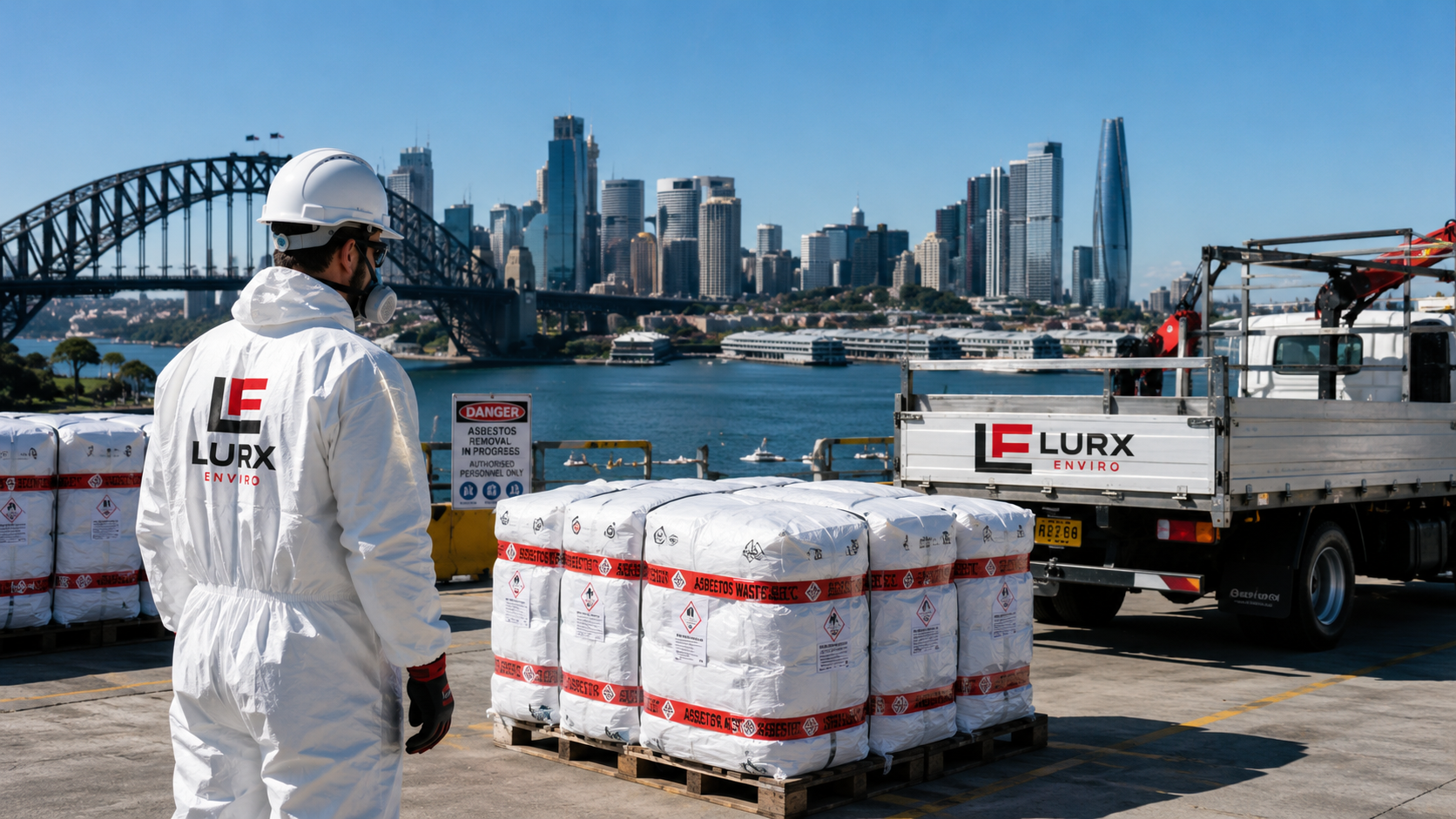
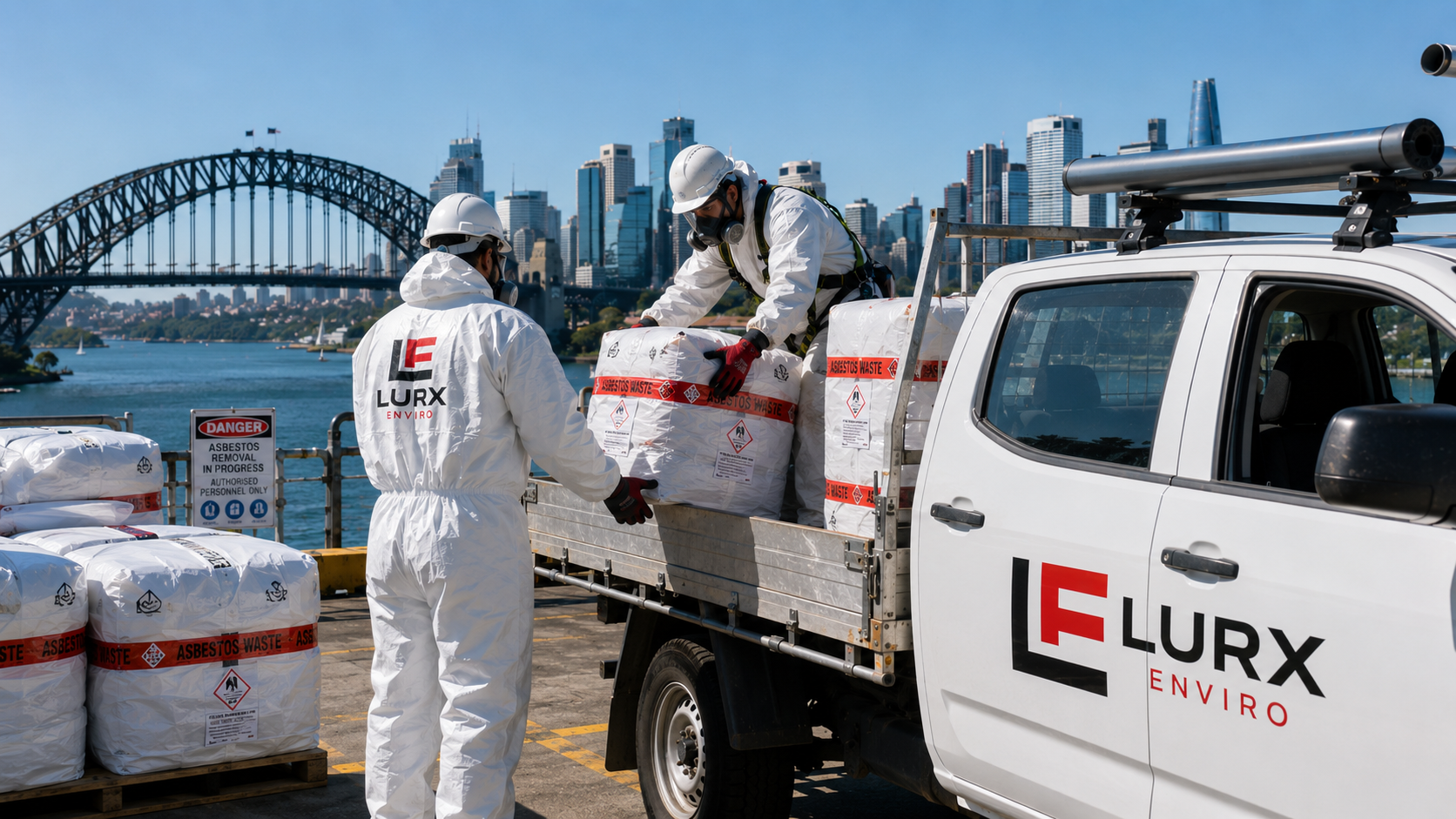
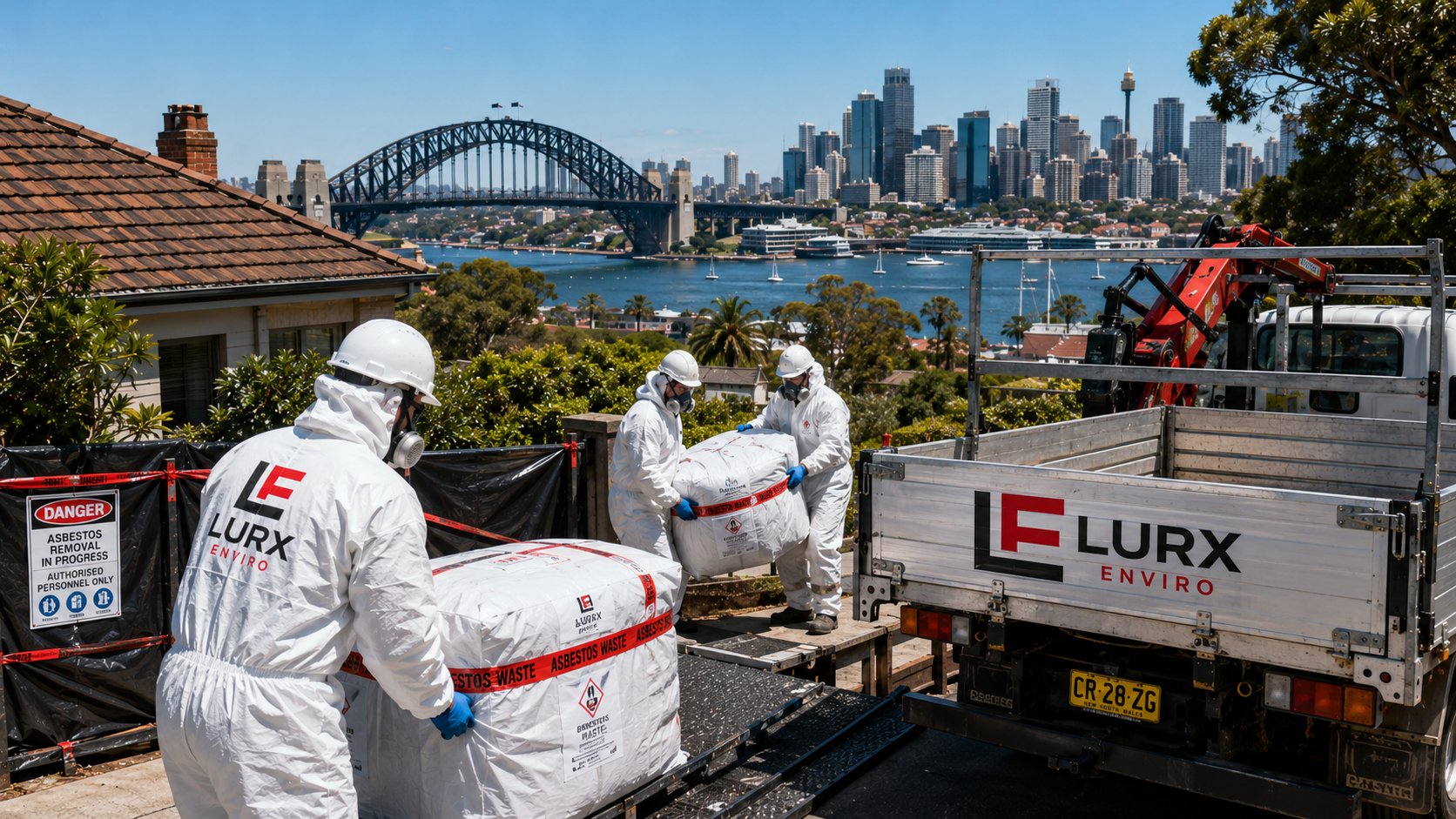
Secure packaging, transport coordination and disposal through facilities authorised to accept asbestos waste.
The safest jobs are the ones that are scoped properly before work starts.
Start an enquiryShare the suburb, building type, suspected materials, approximate area and planned works.
Testing or an independent assessment may be recommended when the material is not already identified.
Access, isolation, notifications, controls, removal method and waste arrangements are considered before commencement.
The work area is controlled, material is removed using suitable methods, and waste is packaged for lawful disposal.
Where required, an independent licensed assessor completes air monitoring or clearance and relevant records are provided.
We provide public verification links so clients can check business and licence details before engaging a contractor.
Asbestos removal licence requirements vary by material type and jurisdiction. In NSW, Class A and Class B licences authorise different scopes of removal work. Read SafeWork NSW guidance.
Air monitoring and clearance requirements depend on the work. Class A removal work requires independent licensed assessor involvement. Review WHS duties.
Asbestos waste must be securely handled and disposed of at a facility licensed to accept it. Find an authorised facility.
The quote form asks only for information needed to respond. This version uses no advertising pixels. Quote submissions are saved to a protected local data file so authorised staff can respond through the secure dashboard.
Include the property suburb, approximate area, where the material is located and whether it has already been tested.
No. Suspected material should be treated cautiously and confirmed through appropriate sampling and laboratory analysis by a competent person.
Requirements depend on the type, condition and quantity of asbestos and the state or territory. In NSW, tradespeople must use licensed removalists for more than 10 m² of non-friable asbestos and for any amount of friable asbestos.
Stop work, keep people away, avoid sweeping or using household vacuums, and seek advice from a licensed asbestos professional. For suspected exposure, official Australian guidance is available through the Asbestos and Silica Safety and Eradication Agency.
Clearance requirements depend on the licence class and work. For Class A removal, an independent licensed asbestos assessor is required for clearance and related air monitoring. Project-specific requirements will be explained before work starts.
No. Online details help with initial scoping, but the final method, price and regulatory requirements may depend on inspection, testing, access and site conditions.